Seismic bracing plays a crucial role in ensuring the stability and safety of buildings and structures in areas prone to earthquakes. These bracing systems are designed to minimize the impact of seismic forces and protect the integrity of the structure during a seismic event. In this article, we will explore the importance of bracing seismic and how it helps keep structures stable.
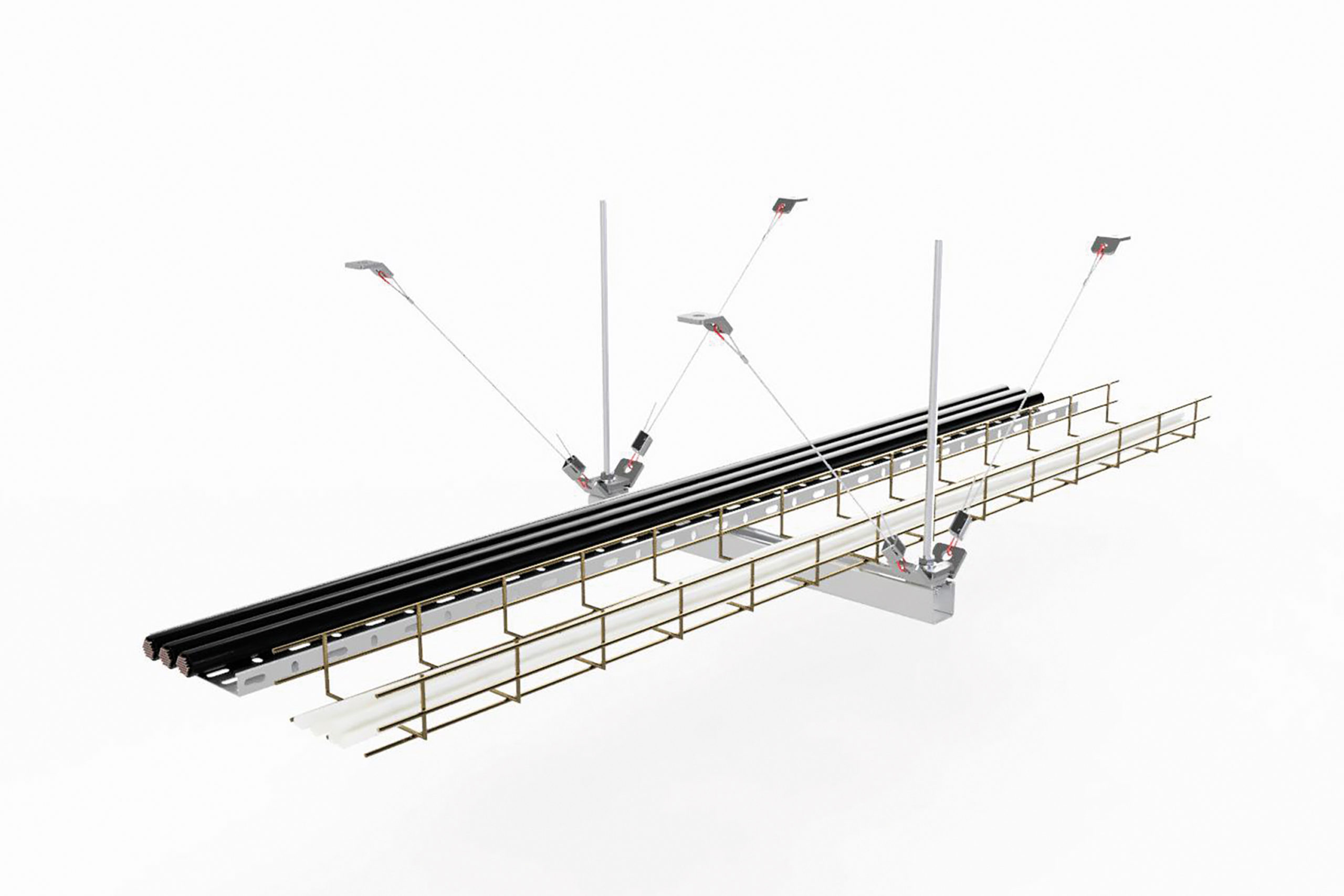
Seismic bracing is a method of reinforcing and supporting structures to withstand the lateral forces generated by an earthquake. These lateral forces can cause buildings to sway, twist, or even collapse if not properly braced. By incorporating seismic bracing into the design of a structure, engineers can significantly reduce the risk of damage and ensure the safety of occupants.
There are several types of seismic bracing systems that can be used, depending on the specific needs and requirements of the structure. These systems may include steel braces, concrete walls, shear walls, dampers, and other reinforcement elements. Each type of bracing system has its own advantages and drawbacks, and the choice of system will depend on factors such as the size of the structure, the local building codes, and the expected seismic activity in the area.
One of the primary benefits of seismic bracing is its ability to protect structures from excessive damage during an earthquake. When seismic forces are exerted on a building, they can cause significant stress on the structural elements, leading to cracks, fractures, and other forms of damage. By installing seismic bracing, engineers can limit the movement of the building and distribute the seismic forces more evenly, reducing the risk of structural failure.
Furthermore, seismic bracing can help prevent the risk of injuries or fatalities during an earthquake. Buildings that are not properly braced may collapse or suffer severe damage, putting the occupants at risk of being crushed or trapped inside. By incorporating seismic bracing into the design of a structure, engineers can create a safer environment for occupants and reduce the likelihood of injuries.
In addition to protecting buildings and occupants, seismic bracing can also help minimize the cost of repairs and restoration following an earthquake. Structures that are not adequately braced may require extensive repairs or even demolition after a seismic event, leading to significant financial losses for the owners. By investing in seismic bracing upfront, property owners can reduce the risk of damage and ensure that their buildings remain intact and functional.
Another important aspect of seismic bracing is its role in ensuring compliance with building codes and regulations. Many jurisdictions require buildings in seismically active areas to incorporate specific bracing systems to meet safety standards and protect the public. Failure to comply with these regulations can result in fines, legal liabilities, and even the closure of the building.
In conclusion, seismic bracing is a critical component of structural engineering that plays a key role in keeping buildings stable and safe during earthquakes. By incorporating seismic bracing into the design of a structure, engineers can minimize the risk of damage, protect occupants, and ensure compliance with building codes. Investing in seismic bracing is an essential step in creating resilient and secure structures that can withstand the forces of nature and provide a safe environment for all.
In the face of increasing seismic activity around the world, it is more important than ever to prioritize the safety and stability of buildings through proper seismic bracing. By taking proactive measures and investing in the right bracing systems, property owners can protect their investments, safeguard the lives of occupants, and contribute to the overall resilience of their communities.